





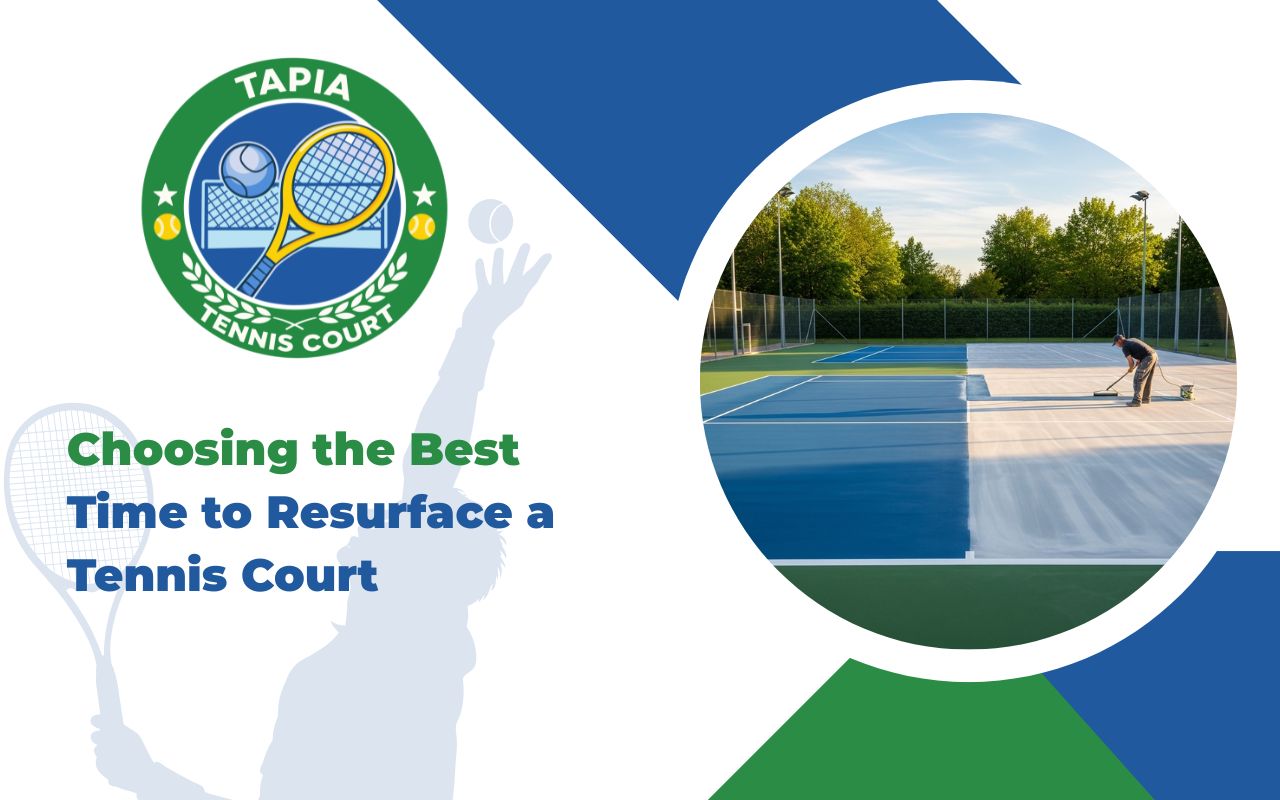
Choosing the Best Time to Resurface a Tennis Court
Knowing the best time to resurface a tennis court helps you protect play quality and avoid bigger repairs later. Weather, court use, and surface age all matter, so timing the work well can make a clear difference.
At Tapia Tennis Court, we see how smart planning helps courts stay safer, smoother, and ready for busy seasons. A well-timed project supports better play, less downtime, and longer surface life through the year.
How Seasons Affect Court Surface Performance
Each season puts different stress on a court. Winter can bring moisture and small cracks, while summer heat can dry the surface and make wear show faster. These changes shape the best time to resurface a tennis court for long-term results.
When you track local weather patterns, you can plan work during milder conditions. That gives new coatings time to cure well and helps the court stay strong, even when play picks up again.
Key Signs Your Court Needs Attention
Surface wear often starts small, but it can grow fast when ignored. Looking for early signs makes it easier to follow a smart tennis court resurfacing schedule and avoid major repair costs.
Small cracks that begin to spread
Faded color and worn playing areas
Low spots where water stays after rain
Rough texture that affects grip and bounce
When these issues appear, early action helps preserve the base and keeps the court more consistent for players. Tapia Tennis Court can help you review surface wear before it turns into a larger problem.
Why Weather Windows Matter for Resurfacing
Dry and mild days give resurfacing materials the best chance to bond and cure the right way. Rain, cool nights, or very hot afternoons can slow the process and lead to weak results.
Because of that, court resurfacing timing should never depend on a short forecast alone. A better plan looks at seasonal trends, expected moisture, and the number of dry days needed for the full job.
Best Months for Resurfacing Before Summer
For many properties, spring offers the strongest window for resurfacing before summer. Finishing work before peak use means the court is ready for lessons, club play, and weekend matches when demand is highest.
This approach also supports better seasonal resurfacing planning because it reduces the risk of closing the court during your busiest months. With the right schedule, players return to a fresh surface right when they need it most.
What Should You Consider Before Scheduling Work?
Good planning starts with more than weather alone. You also need to think about usage, past repairs, and how much downtime your court can handle without causing problems for players or staff.
Local climate and overnight temperatures
Upcoming leagues, camps, or tournaments
Current cracks, drainage, and surface wear
Time needed for curing before regular use
When we review these details with our clients, we can set a realistic schedule that fits both play demands and surface needs. That leads to better results and fewer surprises once work begins.
Maintenance Habits That Extend Court Life
Routine care helps you get more value from every resurfacing project. Clearing debris, checking for standing water, and fixing small damage early all reduce stress on the court between major service dates.
Tapia Tennis Court recommends keeping records of past repairs and surface work. That history makes future court resurfacing timing easier to plan and helps you decide when a touch-up is enough or when full resurfacing makes more sense.
Frequently Asked Questions
How often should a tennis court be resurfaced?
Most courts need resurfacing every few years, but the timeline depends on weather, usage, drainage, and surface condition. Regular inspections help you spot the right time sooner.
Is spring a good season for resurfacing?
Yes, spring is often a strong choice because temperatures are usually milder and many owners want resurfacing before summer play begins. Stable dry weather is still important.
Can hot weather affect resurfacing results?
Yes, extreme heat can affect how coatings dry and bond. That is why many owners avoid the hottest part of summer when planning a full resurfacing project.
What happens if I wait too long to resurface?
Delaying service can allow small cracks and worn areas to get worse. Over time, that may lead to deeper repairs, longer downtime, and higher costs.
Where can I schedule resurfacing help?
You can explore our tennis court resurfacing in Sonoma, learn about tennis court resurfacing in Santa Rosa, or reach us through our contact page.
Plan Ahead for Better Play and Fewer Repairs
Choosing the best time to resurface a tennis court helps protect your surface, improve safety, and keep games moving with less interruption. A clear tennis court resurfacing schedule also makes seasonal resurfacing planning easier from year to year.
Schedule work during mild, dry weather
Plan resurfacing before heavy seasonal use
Address early wear before major cracks appear
Use trusted local support for lasting results
At Tapia Tennis Court, we help property owners make smart resurfacing decisions based on local conditions and real court use. When you are ready to plan the best time to resurface a tennis court, contact Tapia Tennis Court to discuss the next step.