



How Long Does Tennis Court Resurfacing Take?
Restoring a court is about more than a fresh look. It helps bring back safe footing, clear lines, and a better playing feel after weather, play, and age have worn the surface down.
At Tapia Tennis Court, we help you understand how long tennis court resurfacing takes, so your project feels clear from the first visit to the final drying stage.
Get more information on our contact page.
A Clear Look At The Resurfacing Timeline
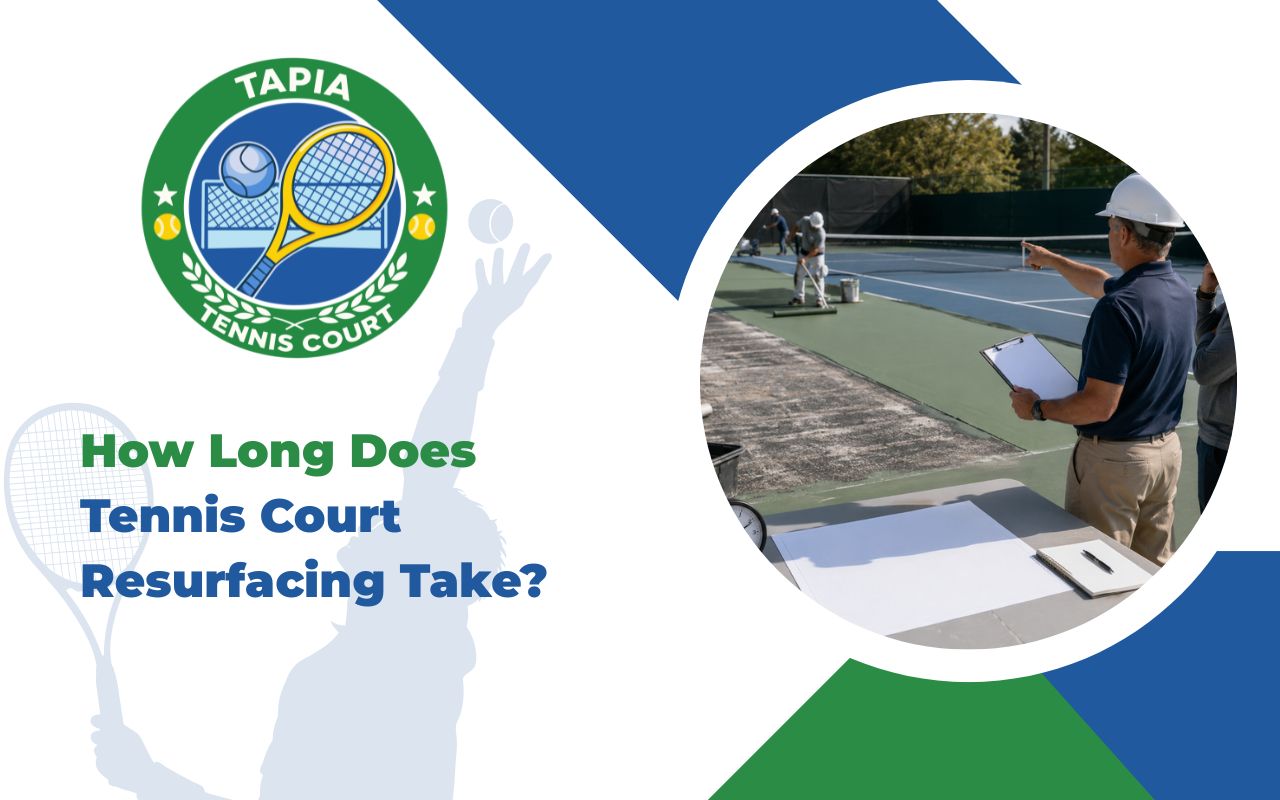
Most court projects take several days, but the exact time depends on repairs, weather, surface size, and drying needs. A simple court with minor wear may move faster, while deeper cracks or moisture issues can add more time.
A normal tennis court resurfacing timeline includes inspection, cleaning, crack repair, coating, line painting, curing, and a final review. When each step is planned well, the work is smoother and delays are easier to avoid.
Preparing The Court Before Work Begins
Good preparation gives the surface a stronger finish. Before coating starts, the court must be cleared of leaves, dirt, loose material, and anything that could affect the new layers.
Remove debris, nets, and loose items from the court.
Check for low spots where water may collect after rain.
Plan the work during a dry weather window.
Keep players, furniture, and equipment away from the area.
Our team at Tapia Tennis Court focuses on careful preparation because missed details can slow the resurfacing process later. This early step also helps make the final surface more even and reliable.
Repairing Cracks And Surface Damage
Cracks, chips, and worn areas must be fixed before new coatings are added. Even small cracks can grow with regular play, heat, and rain, so this step protects the court from future damage.
Repair materials need time to dry and bond with the surface. Because of that, crack repair can affect project scheduling, especially when the court has many damaged areas or past coating problems.
Cleaning And Base Coat Application
After repairs are complete, the court needs a full cleaning. Pressure washing removes dirt, moss, old coating dust, and buildup around drains or edges, helping the new surface stick better.
Once the court is dry, the base coat is applied in smooth, even passes. This layer supports the color coats and helps create a stronger playing surface. For local support, you can learn more about our tennis court resurfacing in Santa Rosa, CA.
How Do Weather And Repairs Affect Timing?
Weather has a major role in how long does tennis court resurfacing take. Rain, high humidity, cold air, or extreme heat can slow drying and may push the schedule back.
Rain can stop coating work and extend drying time.
High humidity can slow each layer from setting.
Large cracks often need added repair time.
Bigger courts or multi-court sites may take longer.
With Tapia Tennis Court, you get clear planning around these factors so the work can move forward with fewer surprises. A clear schedule also helps schools, clubs, and homeowners reduce court downtime.
Color Coats, Lines, And Final Details
Color coats give the court its fresh look and smooth playing feel. These layers are applied evenly, often in more than one pass, so the finish has better coverage and lasts longer.
After the color coats dry, court lines are measured, taped, and painted with care. Clean lines improve play and give the court a professional finish. For nearby service details, visit our tennis court resurfacing in Napa, CA page.
Frequently Asked Questions
How long does tennis court resurfacing take for one court?
Most single-court projects take several days, depending on repairs, weather, coating layers, and curing time tennis court surfaces need before regular play can return.
Can players use the court right after resurfacing?
No. The surface needs enough drying and curing time before play. Using it too soon can damage the finish and shorten the life of the new coating.
What can delay the resurfacing process?
Rain, moisture, deep cracks, poor drainage, and high humidity can delay the work. Proper planning helps reduce these risks before the project begins.
How should we plan project scheduling for a busy court?
Choose a dry period with lower court use. It also helps to plan around lessons, events, and team schedules before the work starts.
How often should a court be resurfaced?
Many courts need resurfacing every few years, but heavy use, weather, drainage, and maintenance habits can change that timing.
Plan Your Court With Less Downtime
Understanding how long does tennis court resurfacing take makes it easier to plan repairs, manage access, and protect the final result. A clear process helps the court return to play in better shape.
Book the work during a stable weather period.
Allow enough time for repairs and coatings to dry.
Keep the court closed during the curing stage.
Schedule a final review before regular play resumes.
At Tapia Tennis Court, we make resurfacing easier to plan from start to finish. When you contact Tapia Tennis Court, we review timing and next steps through our contact page.