




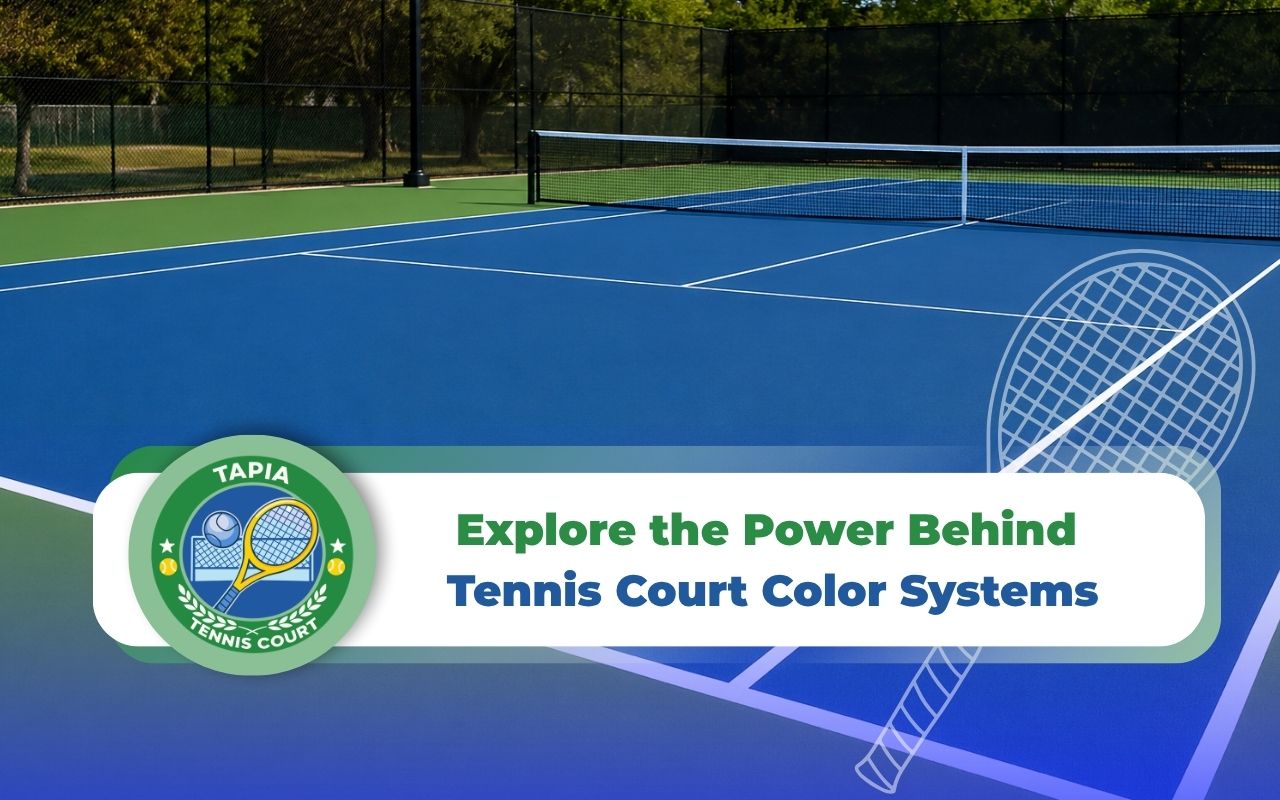
Explore the Power Behind Tennis Court Color Systems
At Tapia Tennis Court, we know color is more than a design choice. The right court painting and line striping plan can improve play, support visibility, and create a court that feels clean, balanced, and ready for every match.
Tennis court color systems affect how players see the ball, read the lines, and stay focused during a game. From bold blues to classic greens, each color choice should support comfort, contrast, surface use, and the look of the property.
Evolution Of Modern Court Color Choices
Early tennis courts often used natural grass or clay, so the colors came from the surface itself. Green and red tones became familiar because they matched the materials used for play. As hard courts became more common, acrylic coatings gave owners more control over tennis court surface colors.
Today, color is a planned part of the court. Facility owners can choose shades that match the setting, support court visibility, and create a clear playing area. Modern coatings also help colors stay consistent through sun, weather, and regular use.
How Do Colors Improve Ball Tracking?
Good tennis court contrast makes it easier to follow the ball from serve to rally. A yellow or white ball stands out better when the background has the right depth and balance. This helps players react faster and helps spectators enjoy the match with less eye strain.
With Tapia Tennis Court, you can think about tennis court color systems as both design and function. The right mix of playing area, border color, and line clarity can make each shot easier to read without making the court look too busy.
Visibility Factors That Guide Better Play
Strong court visibility depends on more than one color. Light, shade, ball color, court lines, and surface finish all work together. A court may look attractive, but it also needs to help players judge speed, distance, and boundaries.
Choose a playing area color that contrasts clearly with the ball.
Use border colors that frame the court without distracting players.
Keep line markings clean, bright, and easy to read.
Consider glare from direct sun or nearby lights.
Match the color plan to daily use and local conditions.
Performance Comfort And Surface Color Planning
Surface color can affect comfort during long play. Lighter tennis court surface colors may reflect more sunlight, while deeper tones can absorb more heat. This matters when a court is used often during warm days or in open areas with little shade.
Tennis court color systems should also reduce glare when possible. A balanced finish can help players stay focused during fast rallies. Good sports court color design supports the eye, the body, and the pace of the game.
Smart Color Design For Local Facilities
Our team at Tapia Tennis Court looks at how each court fits its space before color decisions are made. A private court, club court, school court, or park court may need a different visual style. The goal is to create a clean result that supports play and looks natural in its setting.
Blue and green combinations can offer clear ball contrast.
Neutral borders can help the playing area stand out.
Deep shades may create a bold, professional look.
Muted tones can blend well with nearby landscapes.
Fresh line striping can improve both appearance and accuracy.
For examples of finished work, our tennis court project portfolio shows how color, surface condition, and line layout can work together in real spaces.
Maintenance That Protects Color And Contrast
Even strong coatings need care. Dirt, leaves, standing water, and daily foot traffic can dull color over time. Regular cleaning helps protect the surface and keeps tennis court contrast sharp for players. Small repairs also help prevent larger surface problems later.
Remove debris before it stains or scratches the surface.
Clean the court with safe tools and mild products.
Inspect cracks, peeling, and low spots during the year.
Refresh lines when they start to fade.
Plan recoating when color and texture begin to wear.
A good maintenance plan protects the value of tennis court color systems. It also keeps the court safer, clearer, and more enjoyable for players who use it often.
Frequently Asked Questions
What are tennis court color systems?
They are layered coating systems that add color, texture, and a finished playing surface to a court. They help create the look of the court while supporting visibility, comfort, and regular play.
Which tennis court surface colors are easiest to see?
Blue and green combinations are common because they can create strong contrast with the ball. The best choice depends on lighting, surroundings, and how the court is used. You can review related service details on our tennis court painting and line striping page.
Does sports court color design affect performance?
Yes, it can affect comfort, focus, and ball tracking. Color does not replace good surface work, but it can make the court easier to use when it is planned with visibility and contrast in mind.
How often should court color be refreshed?
The timing depends on weather, use, drainage, and surface care. When color fades, texture wears down, or lines become hard to read, it may be time to discuss resurfacing or painting through our contact page.
Can I choose colors that match my property?
Yes, many court owners choose colors that fit the home, club, school, or park around the court. At Tapia Tennis Court, we can help you compare practical options while keeping playability in mind. You can also learn more about our approach on the about page.
Plan A Court Color Upgrade With Confidence
Thoughtful color choices can improve how a court looks, feels, and plays. When you choose Tapia Tennis Court, we help you consider surface condition, color balance, court visibility, and long-term care before the work begins.
A better court starts with a smart plan. To discuss tennis court color systems for your surface, send us a message through our tennis court color system guidance form and tell us what you want your court to achieve.